In today’s digital landscape, online reviews are one of the most influential factors affecting both marketing performance and search visibility. For apartment communities, Google ratings shape prospective residents’ first impressions, influence conversion rates, and contribute to local SEO/AEO rankings that determine whether a community is discovered in the first place. A strong online reputation is no longer simply a customer service metric—it is a core component of a successful marketing strategy.
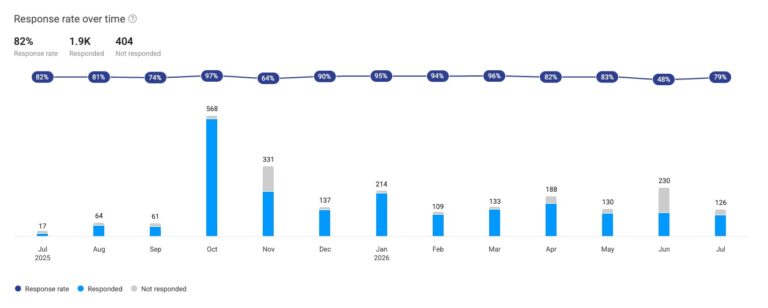
Recognizing this opportunity, I made online reputation management a strategic priority across our portfolio approximately six months ago. Working with my team and our on-site property managers, we implemented a comprehensive approach that combined proactive automated review solicitation through through emails and texts, thoughtful and personalized responses to resident feedback, and targeted training to help on-site teams understand the long-term impact of online engagement.
The results were significant across our portfolio of more than 380 apartment communities:
- Eighty-nine communities improved from below a 3-star rating to 3 stars or higher.
- Seven communities transformed their online reputation from 1-star ratings to more than 4 stars.
- The average Google rating across the company increased from 3.4 to 3.7 stars and rising daily.
- The average resident review score left increased from 3.0 to 3.5 stars, fueling that rise.
Beyond improving individual ratings, we focused on helping the organization understand the story behind the data. My team developed portfolio-wide narratives that highlighted our strongest success stories, identified common themes in resident feedback, and equipped our development and operations teams with meaningful insights to address recurring concerns. We also created resources that enabled leadership to respond confidently to questions surrounding negative reviews with objective data and measurable outcomes.
Perhaps the most valuable takeaway was the insight the data revealed. While online conversations often reflect frustration with the broader challenges of affordable housing or perceptions of corporate ownership, resident feedback consistently demonstrated a strong appreciation for their homes, neighborhoods, and the staff who serve them every day. By elevating authentic resident voices and making reputation management an organizational priority, we strengthened both our marketing performance and our understanding of what matters most to the communities we serve.