Using data, automation, and AI to transform hundreds of vacant-unit photos into stronger marketing assets
In real estate marketing, photography is often the first showing. Prospective residents make decisions in seconds, and an empty apartment can make it difficult to understand the scale, function, and potential of a space. Across a portfolio of 400+ rental communities, however, professionally staging and photographing vacant units simply wasn’t practical.
There also wasn’t an off-the-shelf solution capable of handling the project at the scale, consistency, and level of automation we needed—let alone one with an acceptable hallucination rate—so I built my own workflow.
What I Built
Using Python scripting, data scraping, database integration, and Excel automation, I created a system that identified and processed hundreds of existing vacant-unit photographs from across our portfolio.
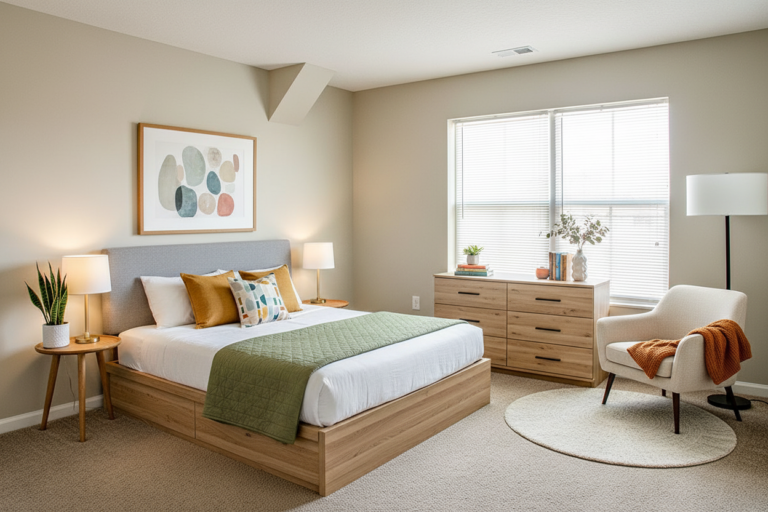
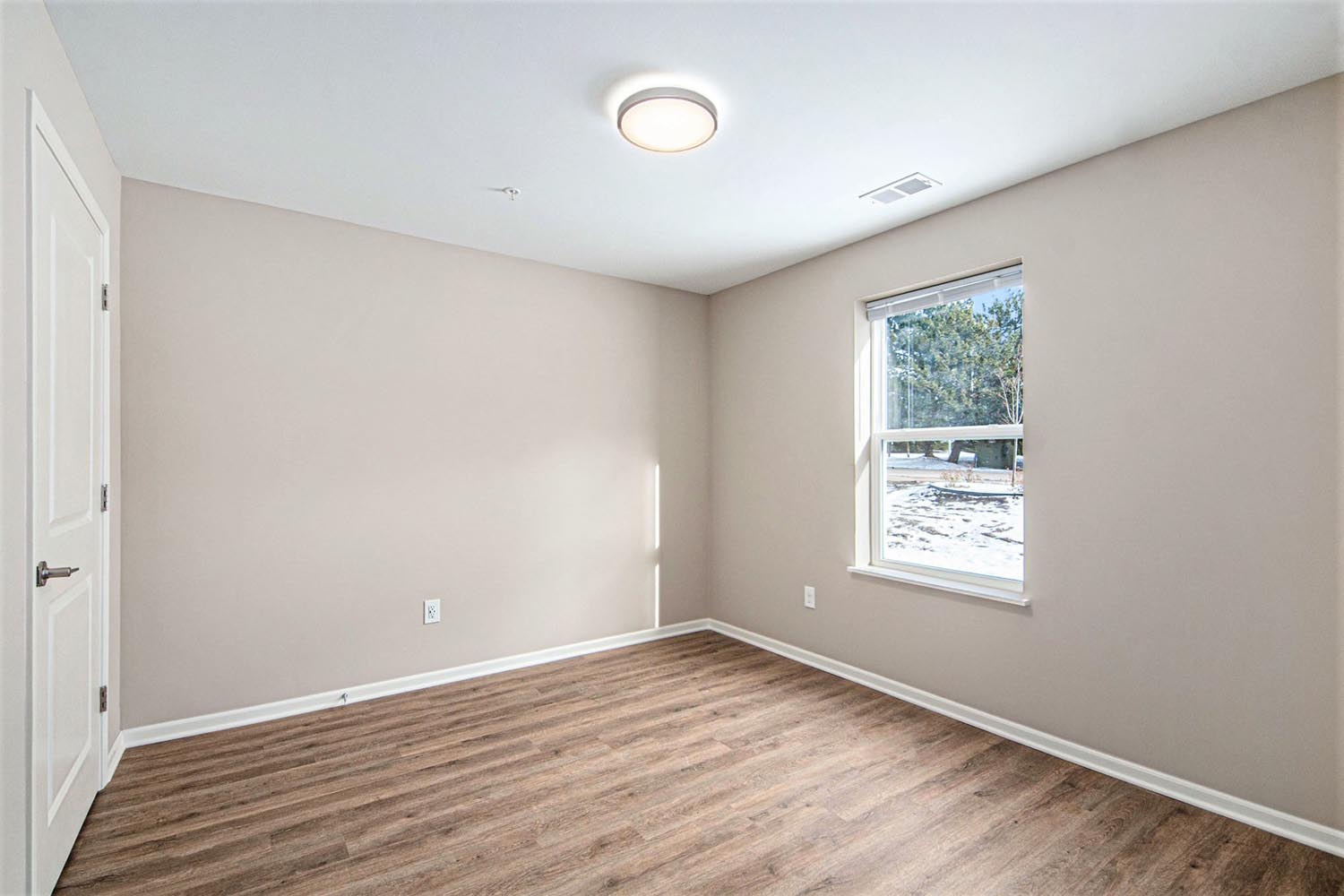
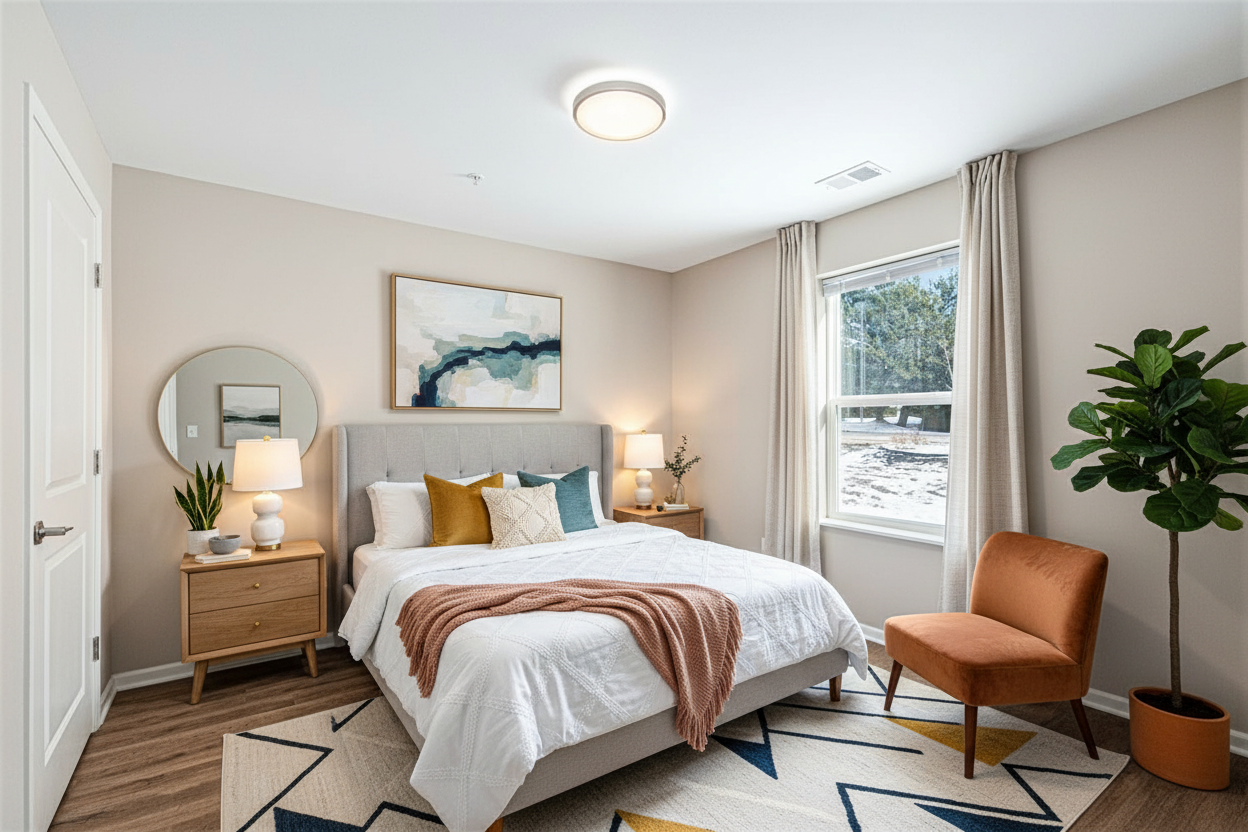
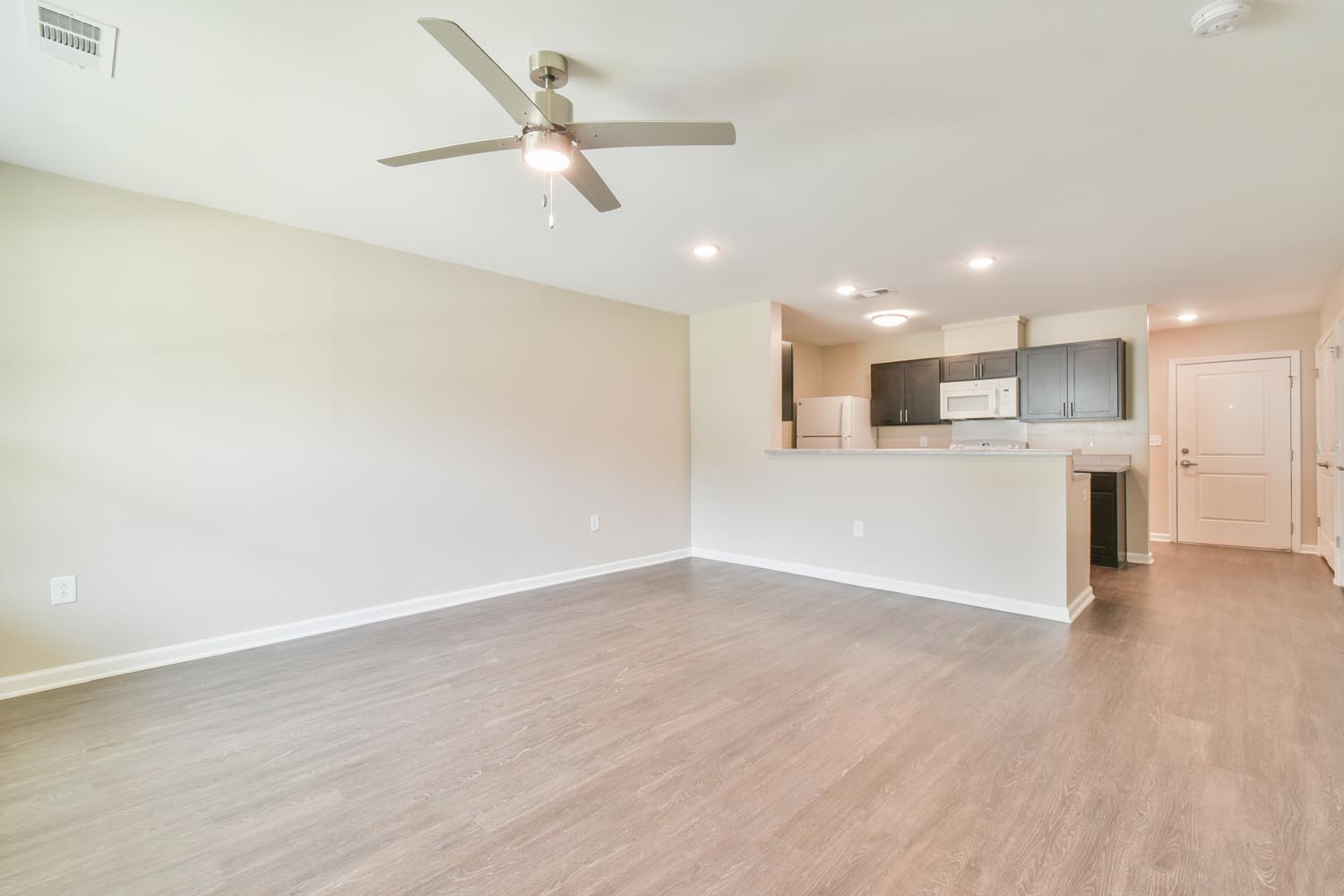
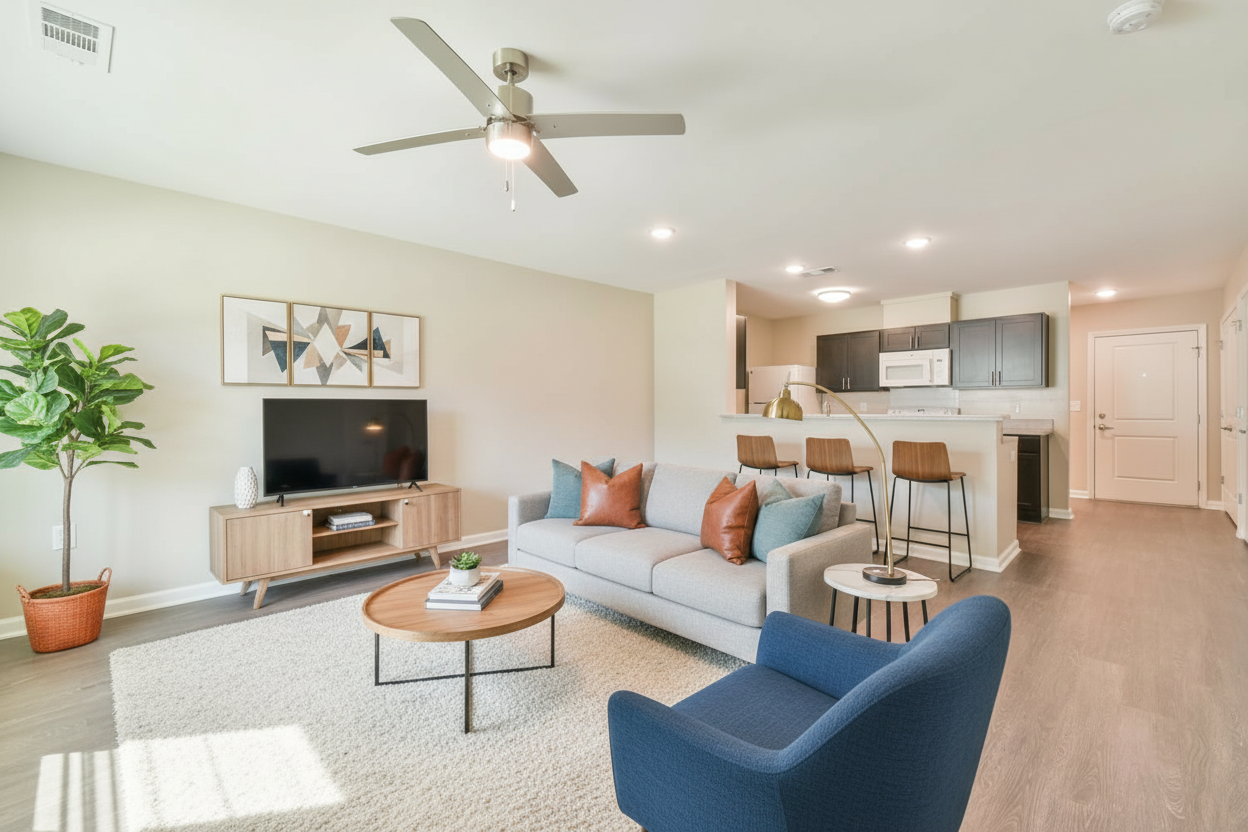
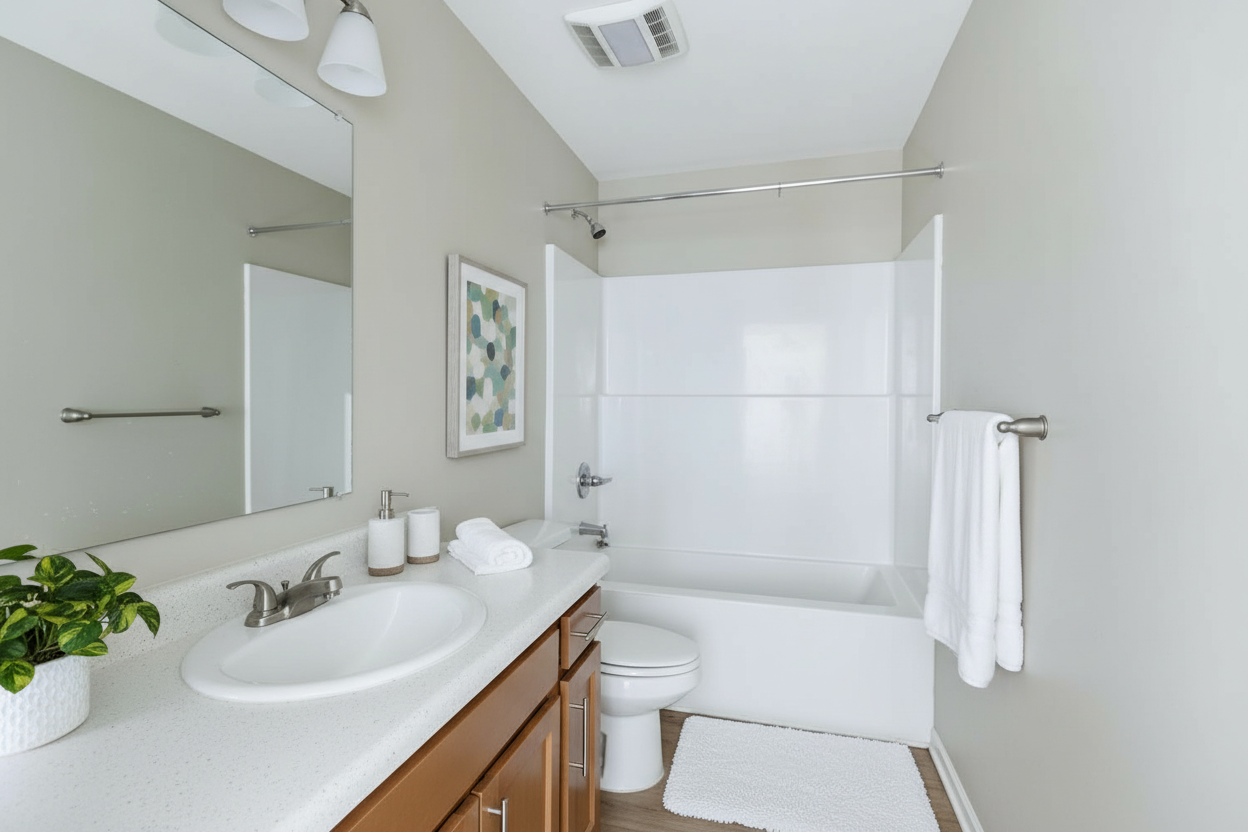
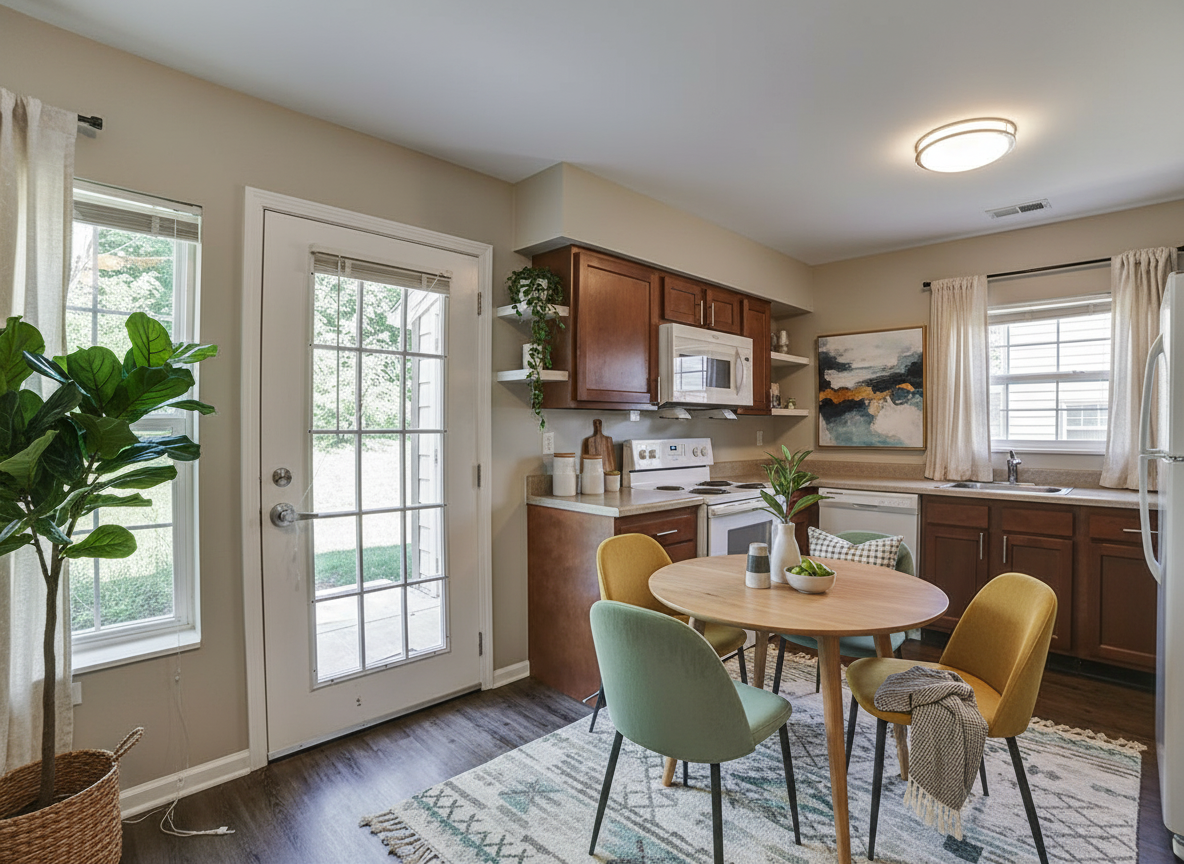
The workflow organized the images and associated community data, prepared them for virtual staging, and allowed us to generate hundreds of furnished versions of otherwise empty apartments. The goal was not to misrepresent the units, but to help prospective residents visualize how those same spaces could function as comfortable, lived-in homes. To this end, each image was human-reviewed to ensure no material changes were made to the property.
Automation made it possible to accomplish at portfolio scale what would have been prohibitively time-consuming to manage manually.
The Impact
The virtually staged photography gave our listings stronger visual appeal while allowing us to make better use of assets we already had. Most importantly, we saw a sizable improvement in click-through rates after incorporating the new imagery into our digital marketing.
The project became another example of how I approach marketing at scale: when the right tool doesn’t exist, I look for ways to combine data, technology, automation, and creative strategy to build it.
For a small marketing team responsible for hundreds of communities, that ability to turn a repetitive creative task or “impossible” ask into a scalable system makes the difference between simply keeping up and continually improving how we market.
Use Case #1
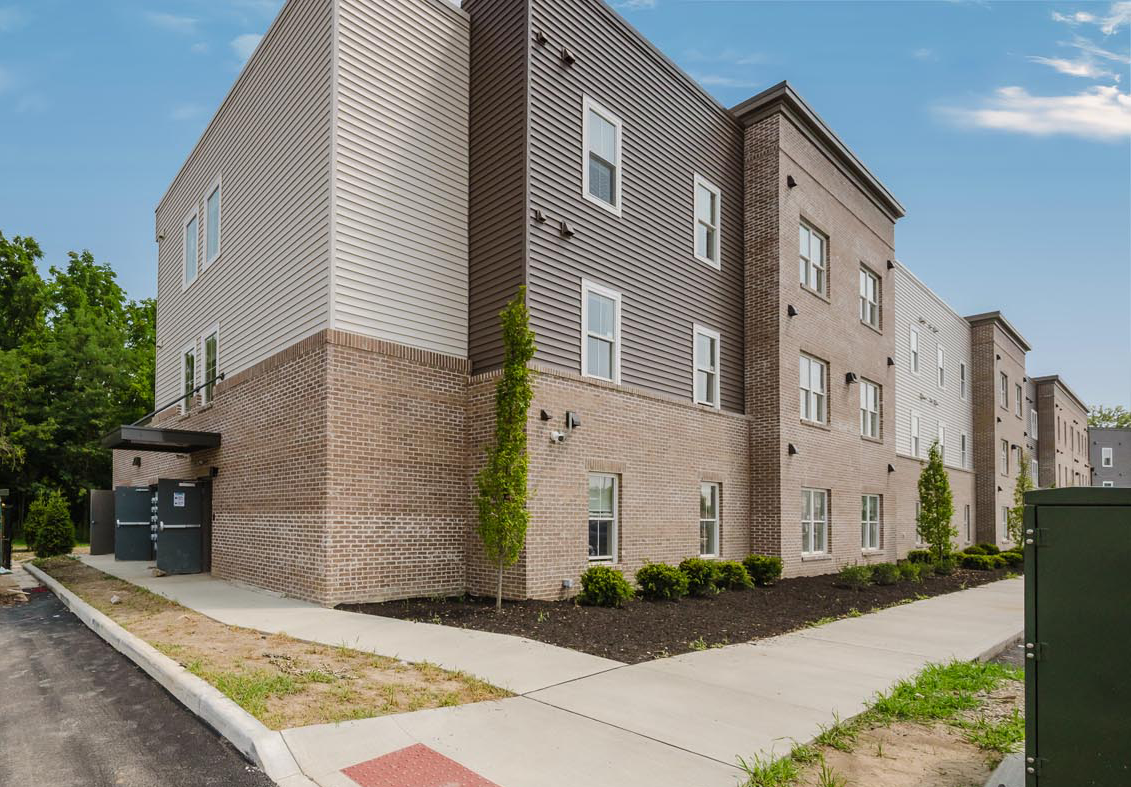
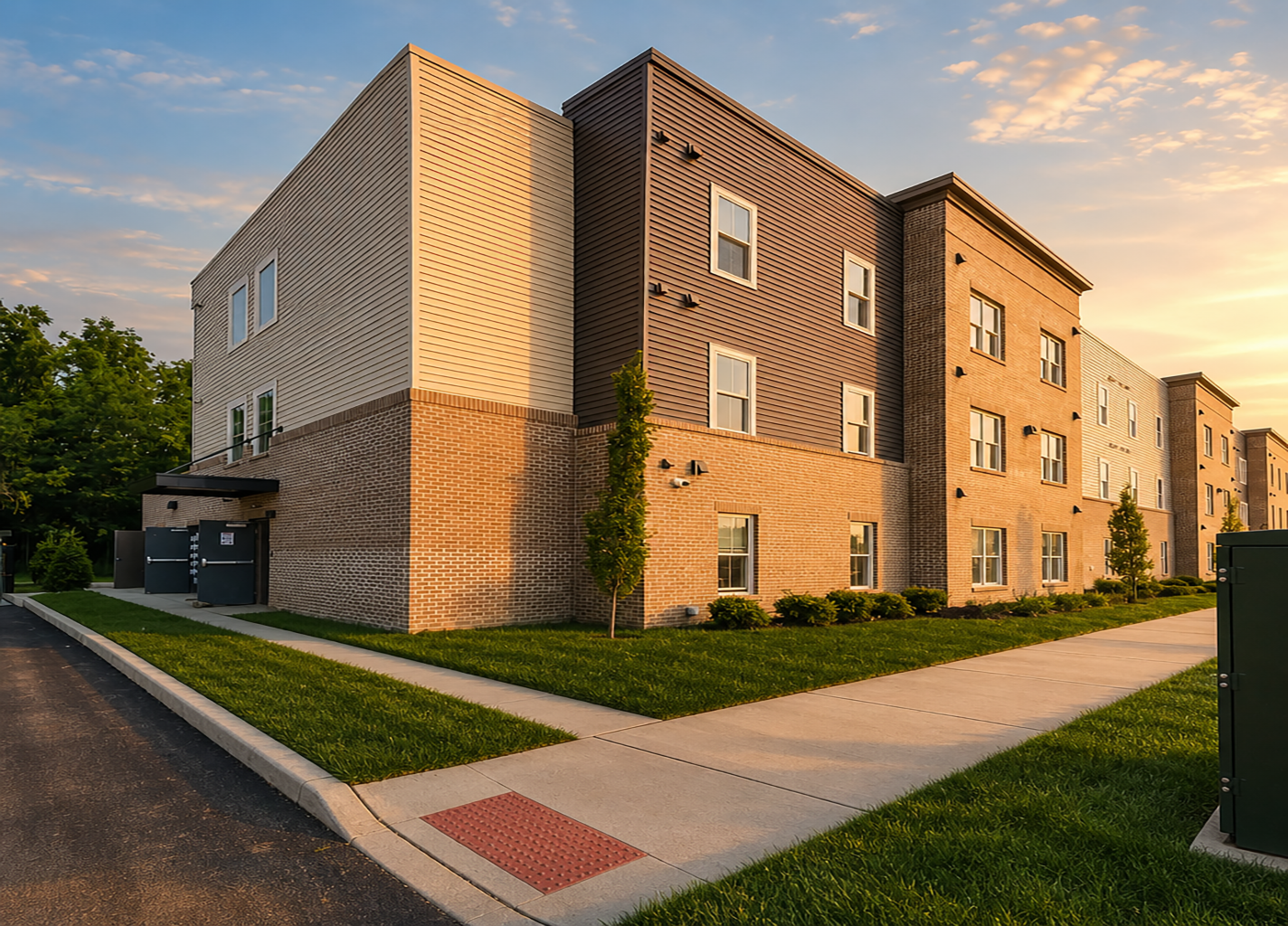
Winter Construction Completions
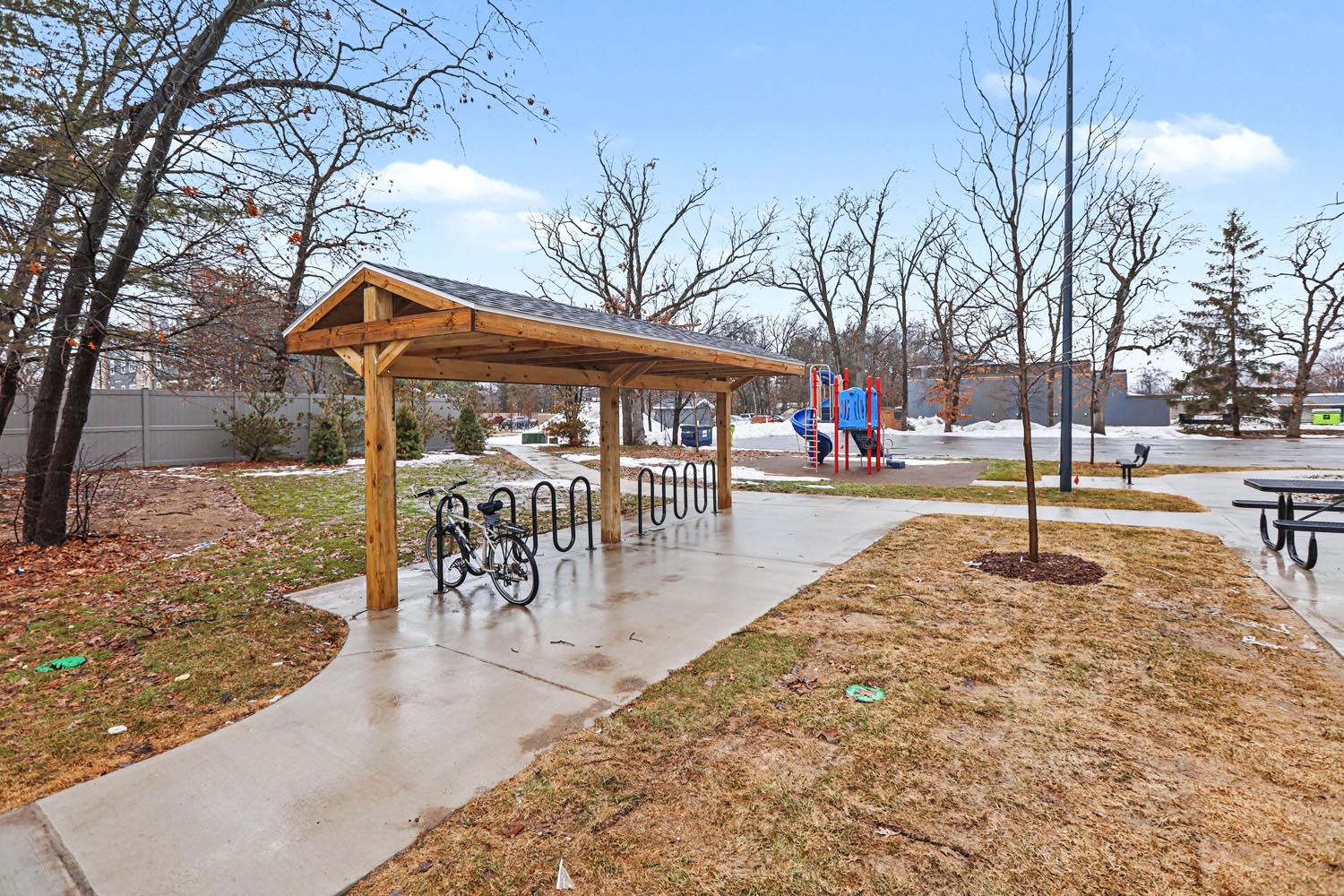
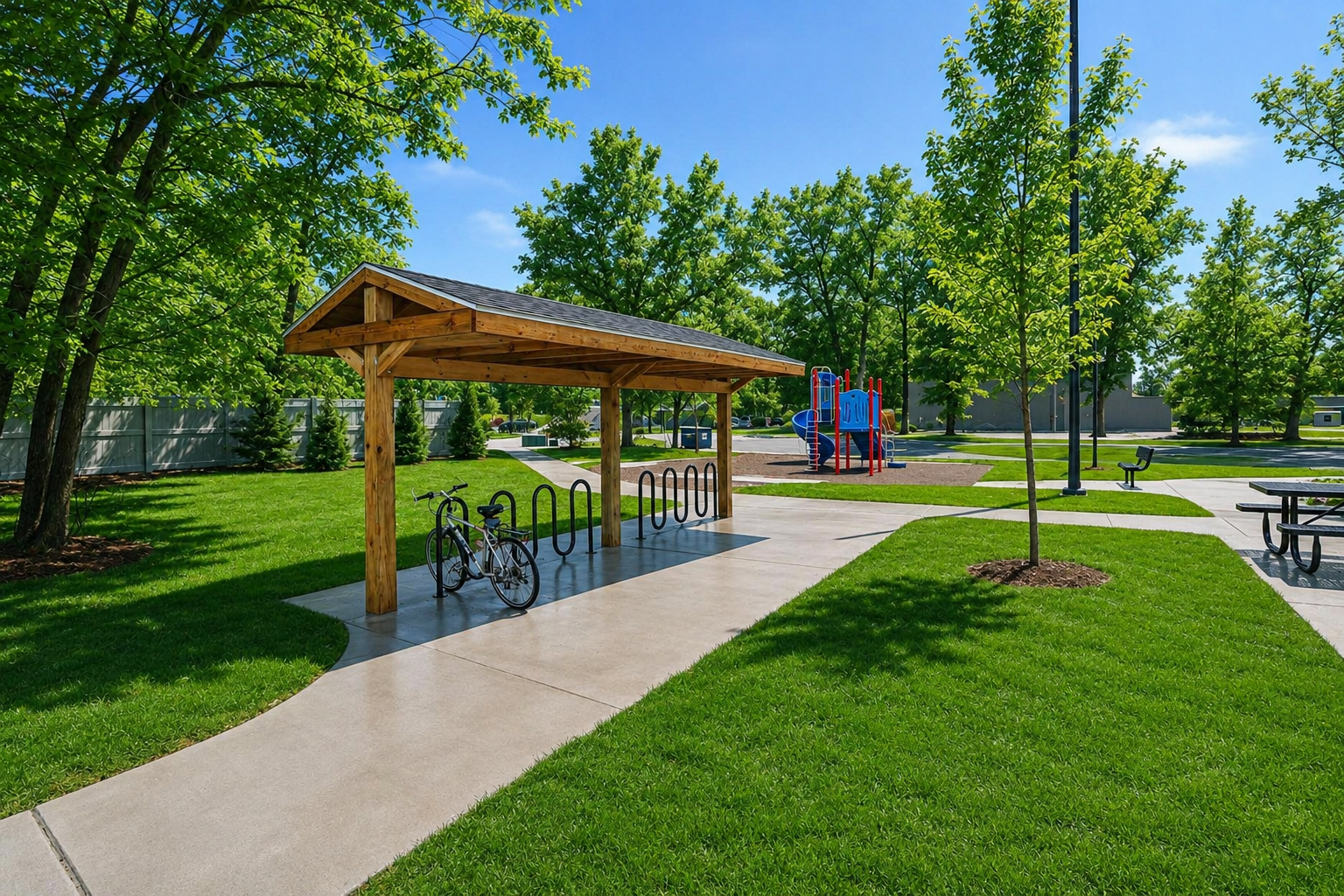
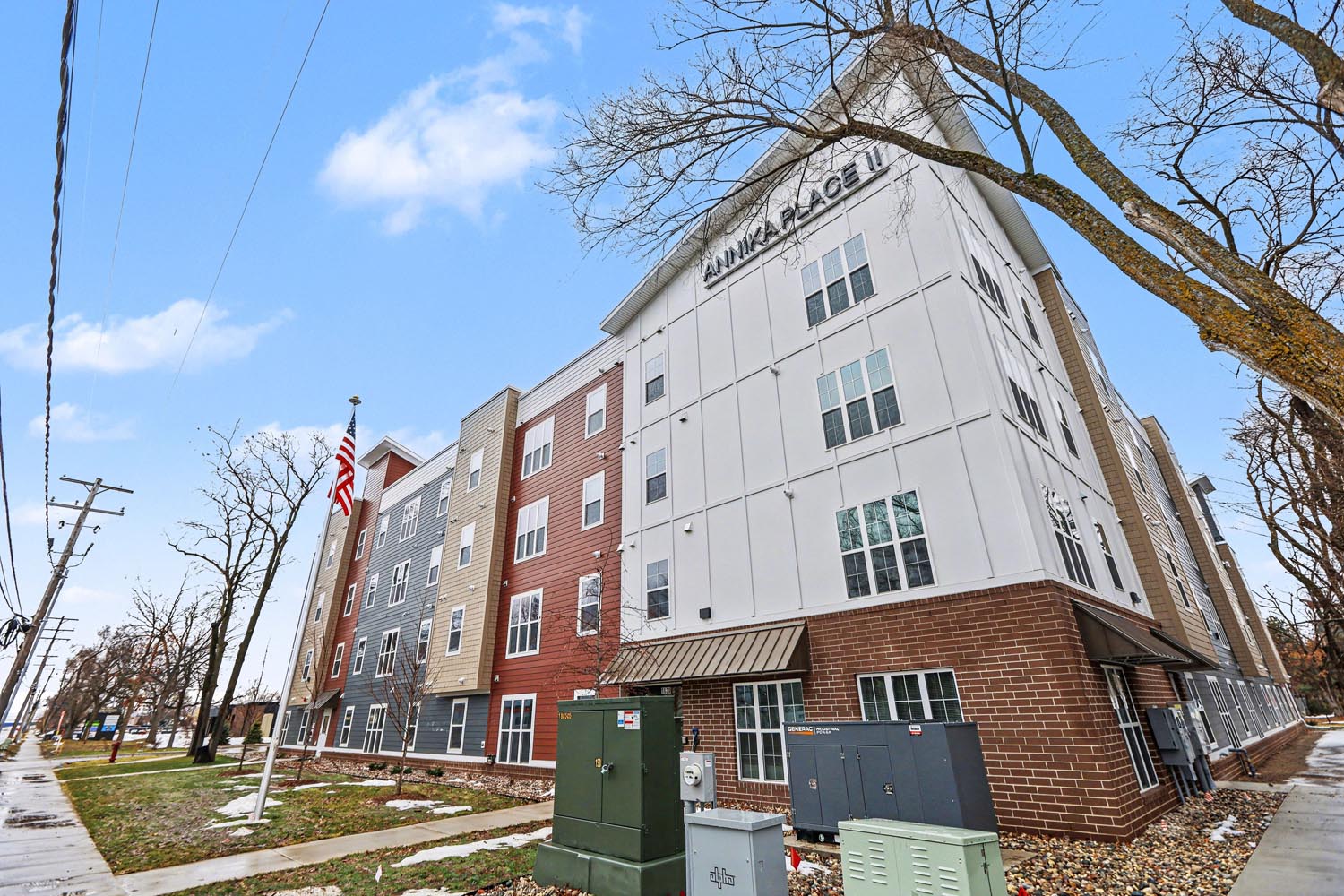
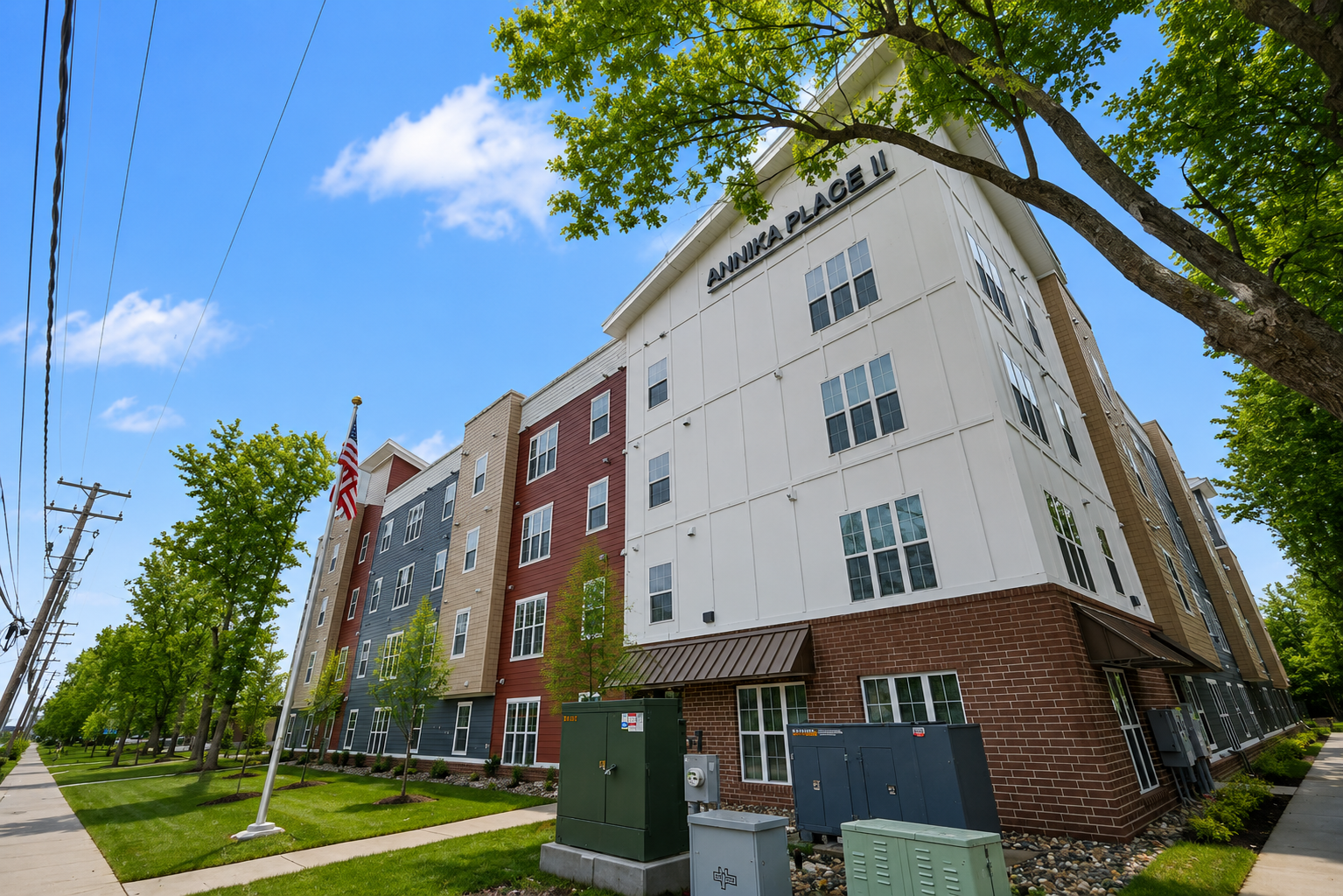
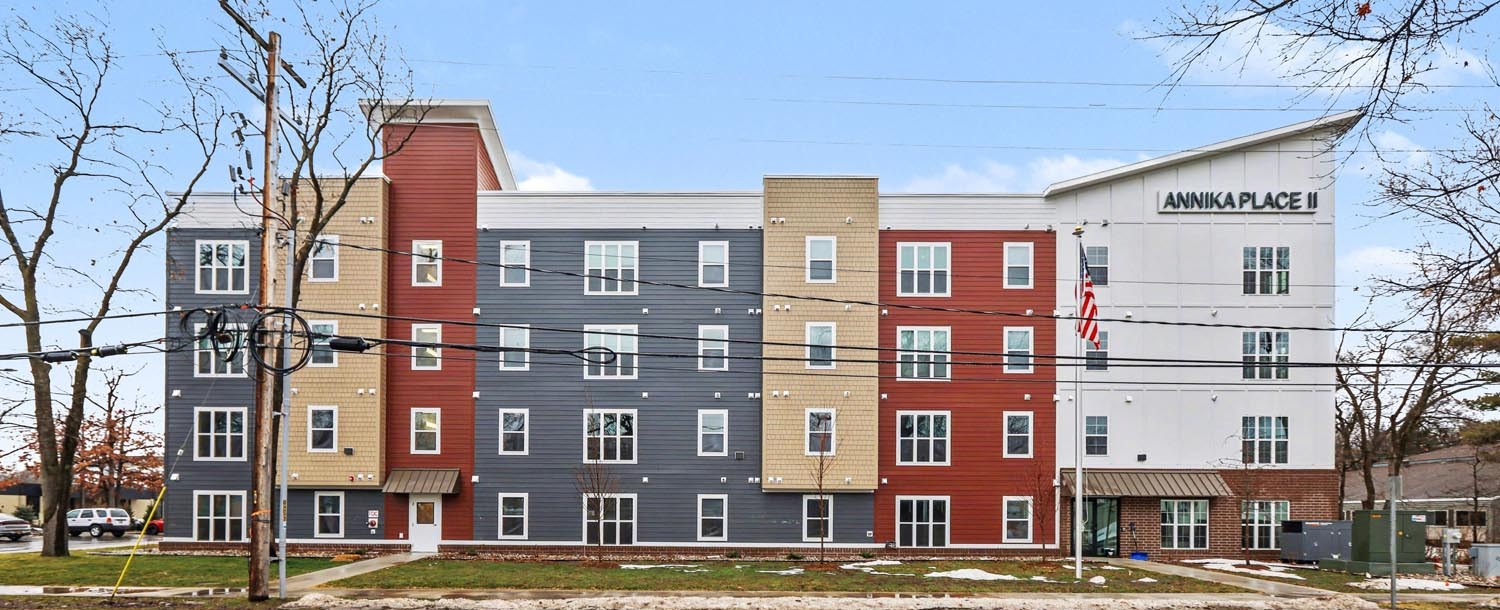
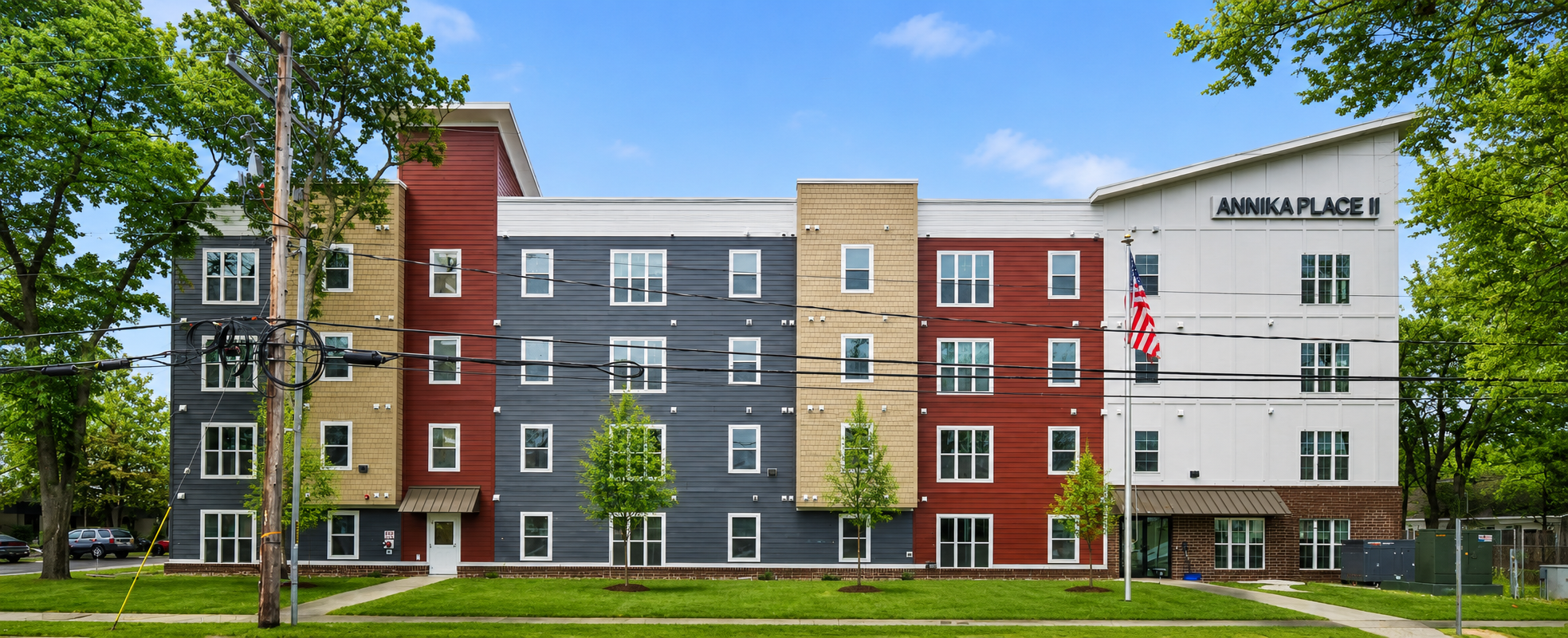
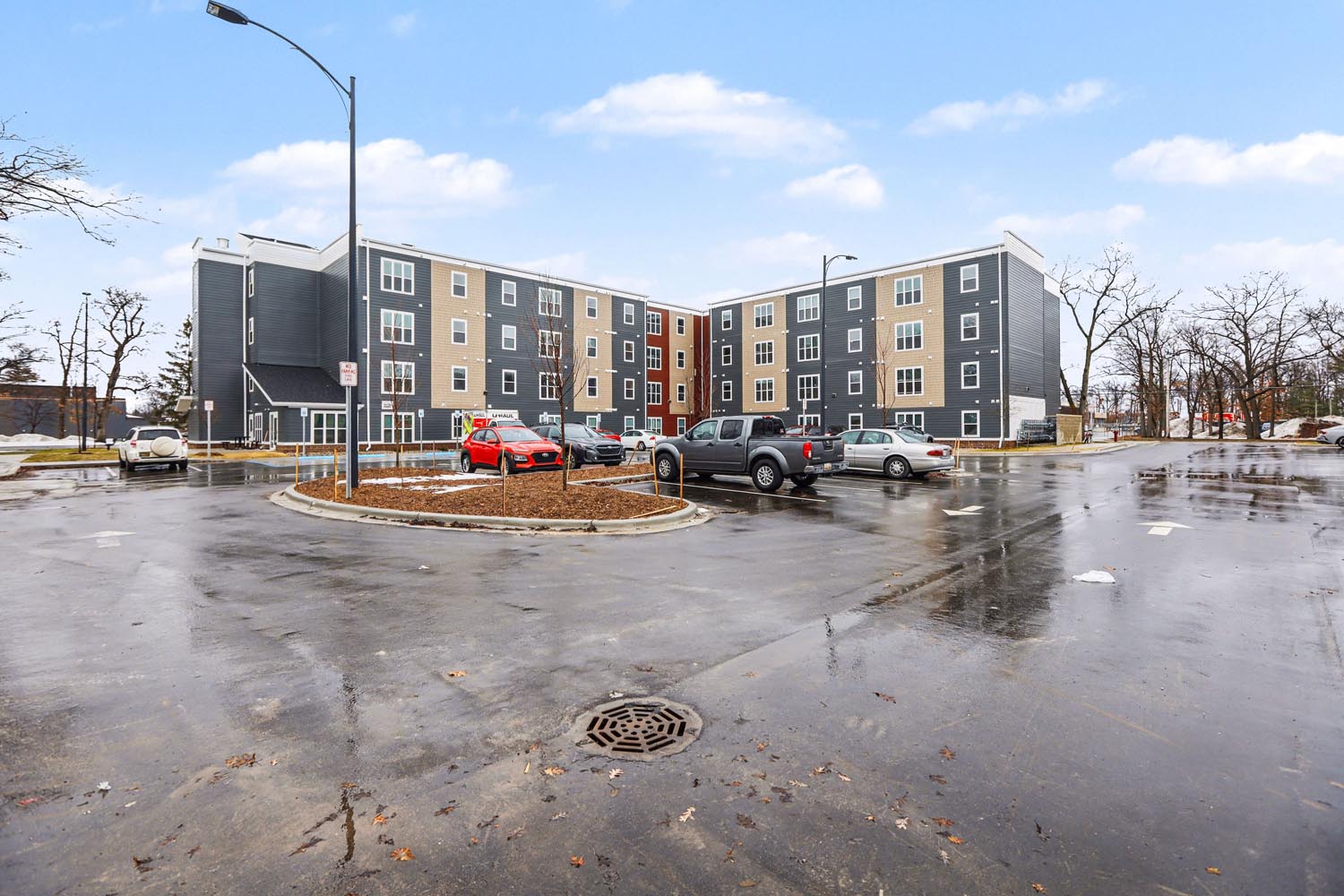
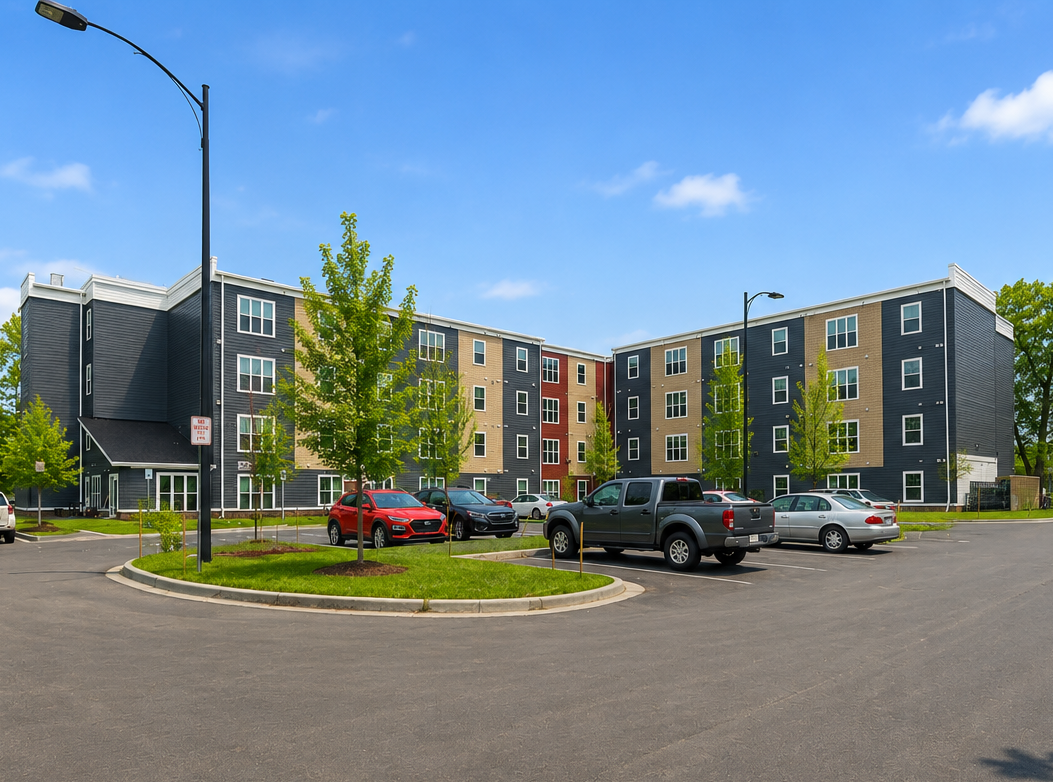
As much as we marketers might wish otherwise, sometimes rental properties are completed in the winter, meaning all photos contain dead or nonexistent grass & landscaping, snow and much piles, and other realities of the midwest cold season.
When this happens, it is up to the marketing team to create (reasonable & honest) visuals that show how these communities will look. It’s vital to be conservative when creating this kind of image—it’s easy for LLMs to take a heavy hand to photos and add landscaping and building features that aren’t there—but when responsibly handled, the results are amazing and give prospects an idea about what their future will look like.
Use Case #2
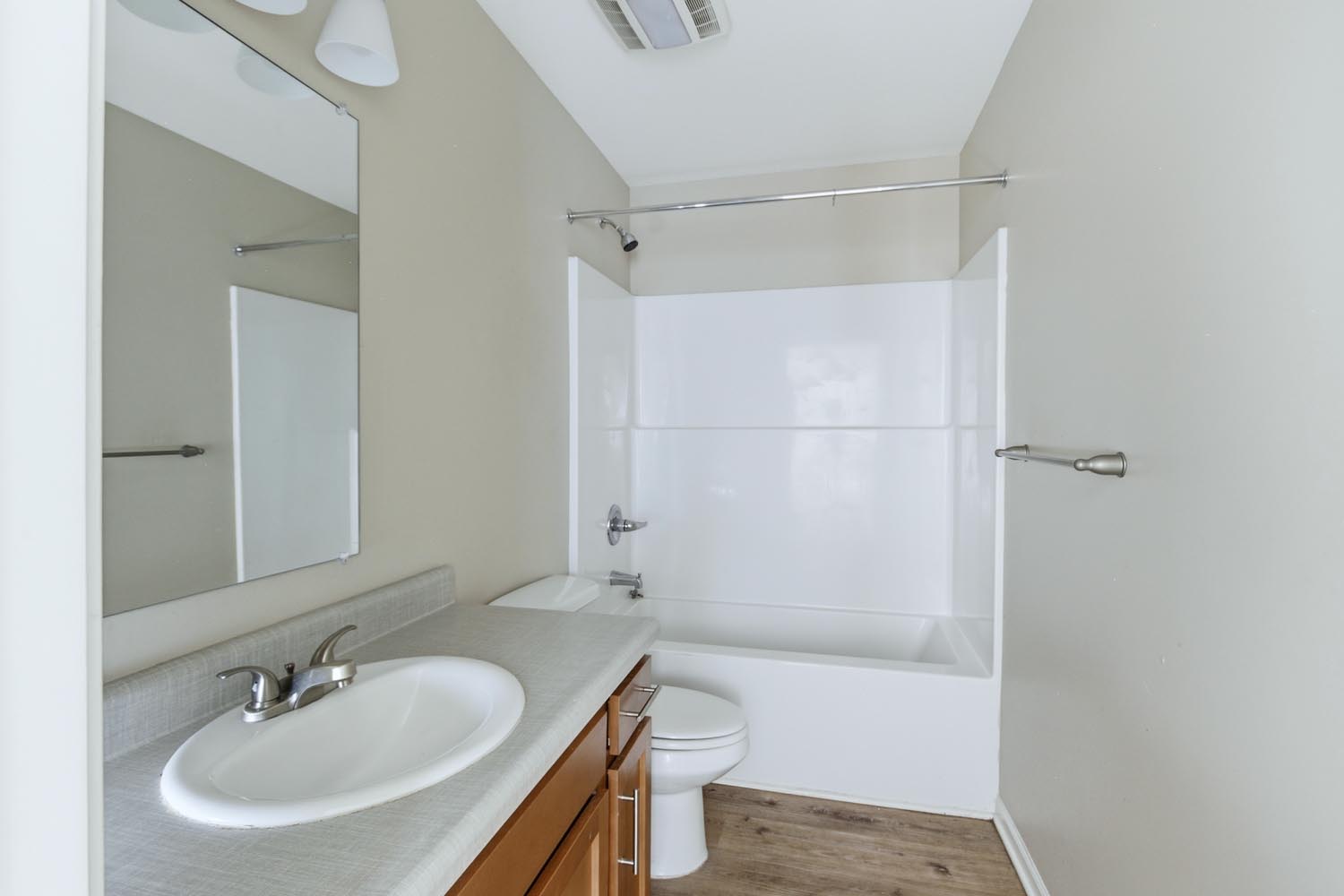
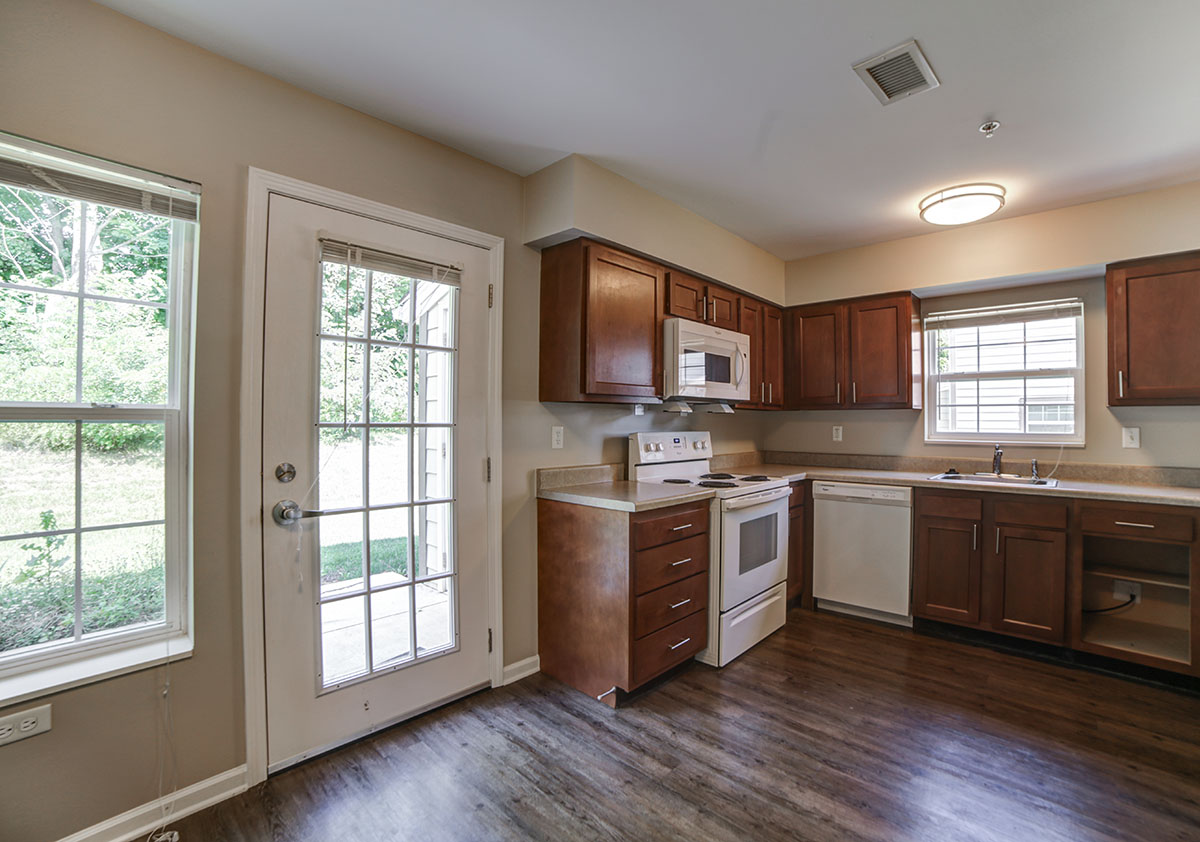
Presenting More Than an Empty Room
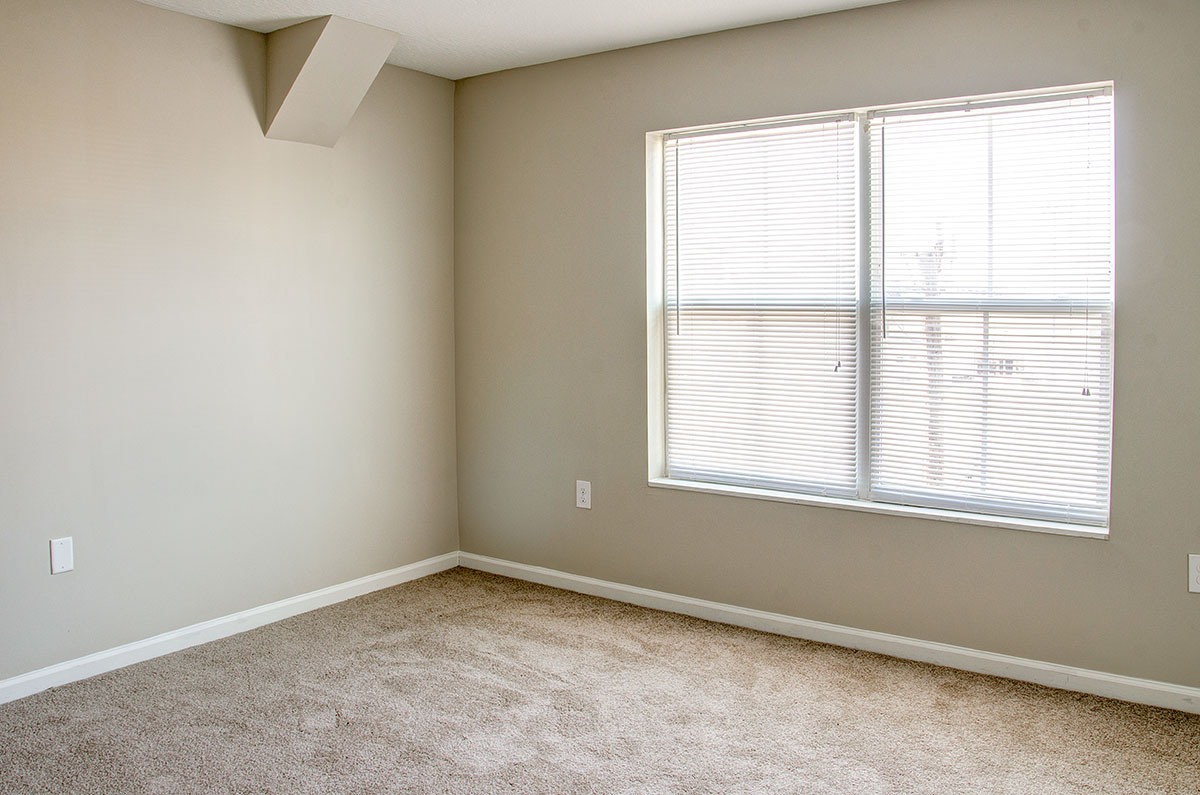
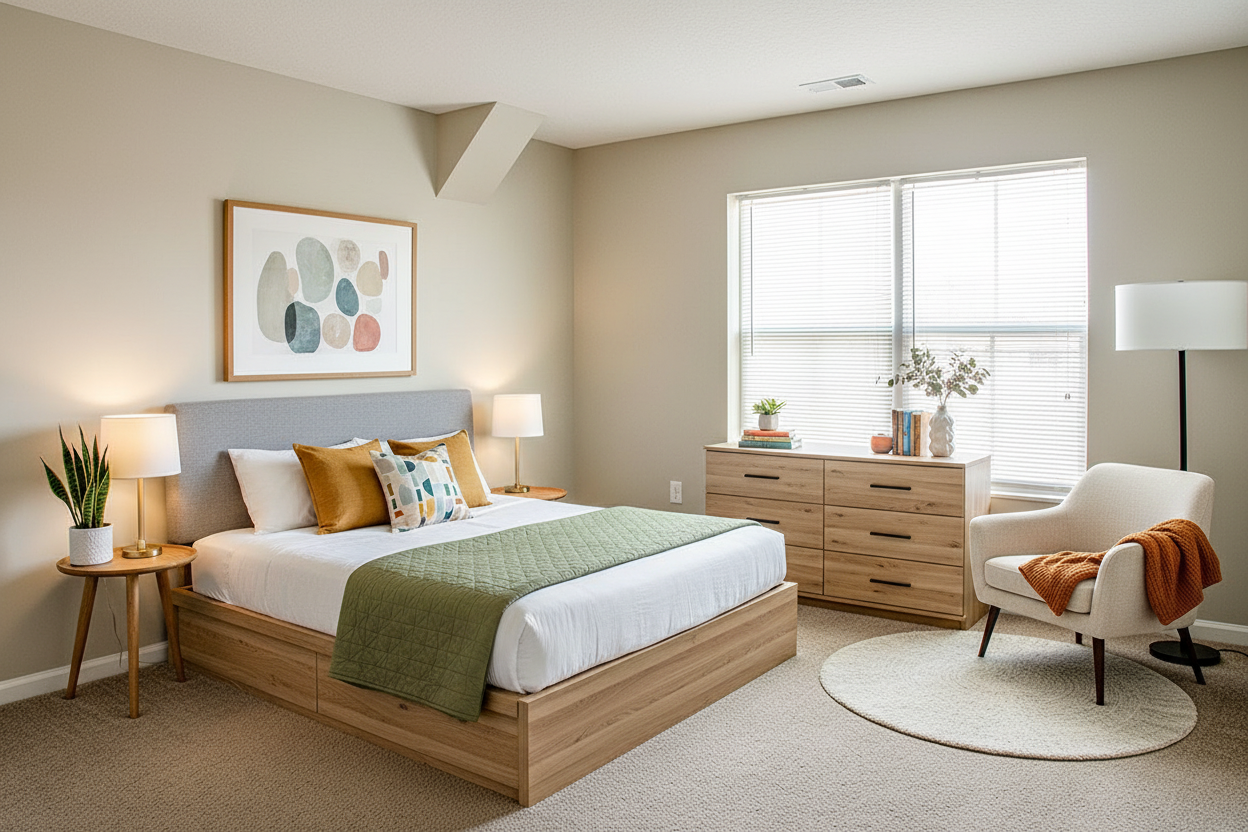
When it comes to marketing, forcing people to rely on their imagination to come up with what their life will be like with your product is a losing battle. Never tell when you can show.
With this in mind, we wanted to show what an occupied unit would look like to get around the blank canvas block that many people experience when looking at a new apartment.
Use Case #3
The Room You WISH Was Empty
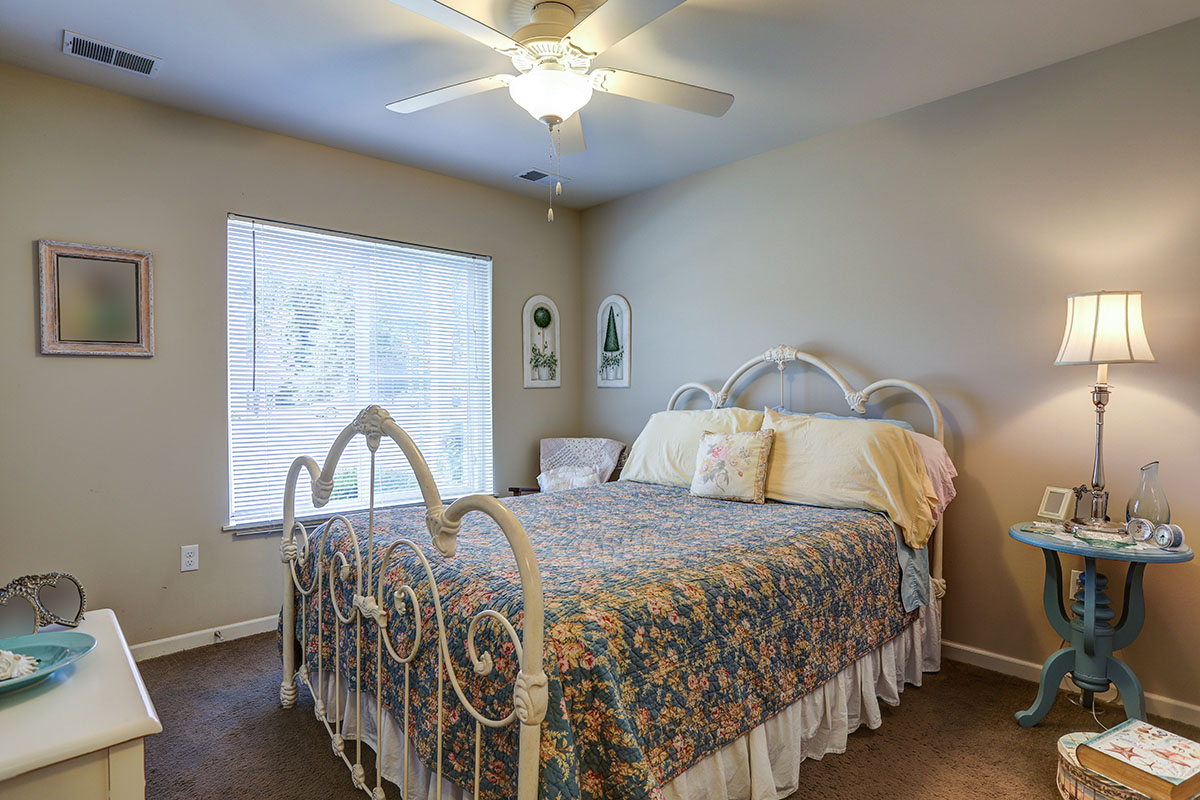
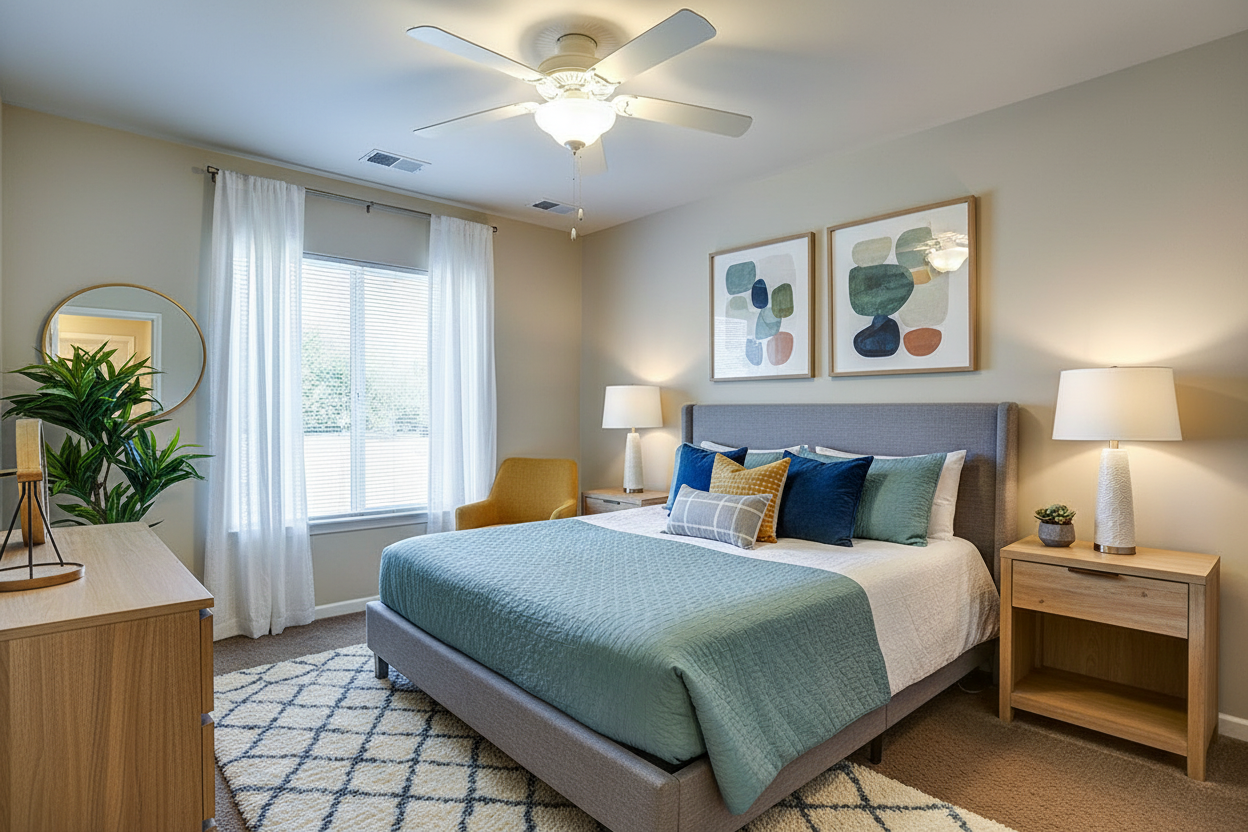
Due to occupancy patterns, calendars, and photographers’ reluctance to travel to remote rural areas, sometimes the only photos we have are occupied units. This can be fine when the resident has a generally appealing style and is willing to perfectly clean their unit before the photos are taken, but that’s not always the case.
In these situations, we can use the AI staging to take a more niche style and replace it with one with more mass appeal.
Use Case #4
Different Lighting Conditions
The most shallow, but also one of my favorite use case for using AI to edit photos!
It would be great if you could manage the logistics and cost of getting multiple photo sets taken throughout the day. A morning, afternoon, sunset, and evening photo group would be phenomenal. But it’s also financially irresponsible when talking about hundreds of communities across 19 states.
To compensate, we will sometimes have AI change an afternoon shot to an evening shot, just to give a little more visual flare.